Trunnion ball valves play a crucial role in maintaining the integrity and efficiency of pipeline systems across various industries. Understanding the components, functionality, advantages, applications, and maintenance of these valves is essential for ensuring the smooth operation of pipelines. In this comprehensive guide, we will delve into the intricate details of trunnion ball valves, from their parts and working mechanisms to their advantages and common issues. We will explore their wide-ranging applications in industries such as oil and gas, power generation, chemical and petrochemical, as well as water and wastewater treatment plants. We will discuss the common issues that may arise with trunnion ball valves and provide insights into their maintenance and repair. By the end of this article, you will have a thorough understanding of the vital role that trunnion ball valves play in the seamless functioning of pipeline systems and the measures required to keep them operating at their optimal level.
What are Trunnion Ball Valves?
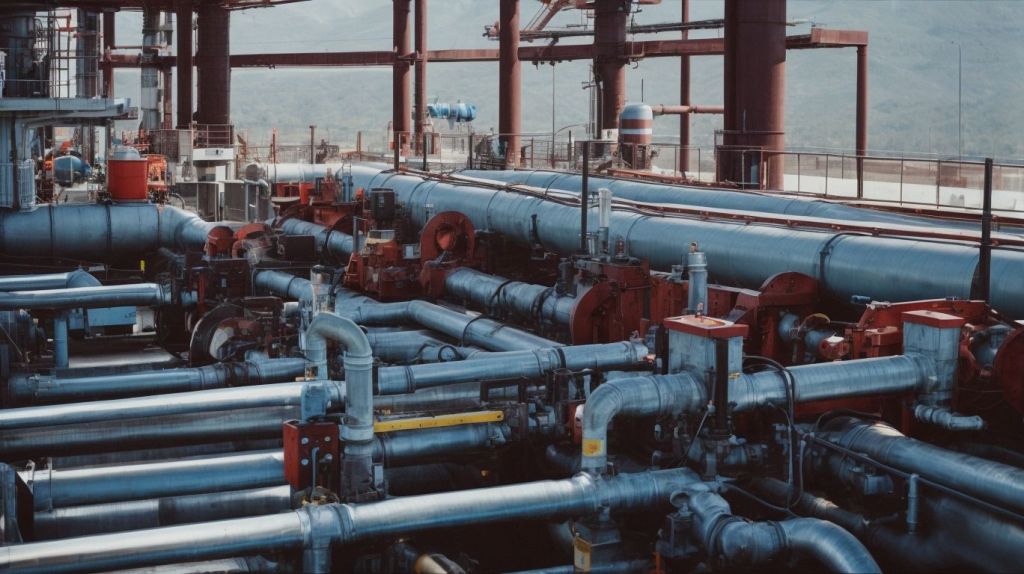
Trunnion ball valves are essential components in pipeline systems, enabling efficient flow control and fluid regulation within the pipeline infrastructure.
These valves are designed with a trunnion-mounted ball that ensures smooth operation and reliable sealing. A key feature of trunnion ball valves is their ability to handle high-pressure and high-volume applications, making them crucial for industries such as oil and gas, petrochemical, and water treatment. The trunnion design allows for reduced torque, resulting in easier operation and extended valve life.
Regular maintenance, including lubrication and inspection of seals and seats, is vital to ensure optimal performance and prevent leakage or valve failure.
What are the Parts of a Trunnion Ball Valve?
The trunnion ball valve comprises several key parts, including the valve body, ball, seats, stem, and actuator, designed to ensure precise flow control, pressure regulation, and pipeline safety.
These components are crucial for the valve’s efficient operation, as the valve body contains the internal passages and supports the other parts.
The ball, usually made of stainless steel, rotates within the valve body to control the flow of fluids. The seats, typically made of resilient materials such as PTFE, ensure a tight seal when the valve is closed.
The stem connects the actuator to the ball, enabling the control of the valve’s position and flow rates. The actuator, powered by pneumatic, hydraulic, or electric systems, provides the force necessary to operate the valve, ensuring smooth and reliable functionality.
How do Trunnion Ball Valves Work?
Trunnion ball valves operate by using a rotating ball with a trunnion to control the flow of fluid, providing reliable functionality and contributing to the integrity of pipeline systems based on specific valve specifications.
Guided by the trunnion, the rotating ball within these valves effectively manages the fluid flow, facilitating seamless operations in various industrial applications. The design of trunnion ball valves ensures enhanced performance by reducing the risk of leaks and maintaining pipeline integrity. Their operation aligns with specific valve specifications, such as pressure ratings and materials, to meet the diverse flow control needs across different industries.
What is the Difference Between Floating and Trunnion Ball Valves?
Understanding the difference between floating and trunnion ball valves is crucial in selecting the appropriate valve technology to optimize flow control, enhance pipeline efficiency, and meet the specific requirements of industrial valves.
Both floating and trunnion ball valves are essential components in industrial applications, yet they operate differently. Floating ball valves utilize a floating design, allowing the ball to float within the valve body, providing reliable sealing in low to medium pressure applications.
Trunnion ball valves, on the other hand, use a stationary lower ball supported by trunnions, enabling them to handle high-pressure applications with greater ease and precision. It’s important to consider these differences in design and functionality when choosing the right valve for a particular application.
What are the Advantages of Trunnion Ball Valves?
Trunnion ball valves offer several advantages, including high pressure and temperature capabilities, low torque requirements, tight shutoff, and minimal maintenance, ensuring exceptional valve performance and contributing to pipeline reliability.
These valves are designed to handle high-pressure applications with ease, providing reliable performance in demanding environments. Their low torque requirements result in smoother operation, reducing wear and tear on the valve components. Their tight shutoff capabilities minimize the risk of leakage, promoting safety and preventing fluid loss.
With their low maintenance characteristics, trunnion ball valves offer long-term cost savings, making them a preferred choice for critical industrial processes.
High Pressure and Temperature Capabilities
The high pressure and temperature capabilities of trunnion ball valves make them indispensable for ensuring efficient pressure control and seamless operations within energy transportation systems.
These valves play a crucial role in regulating the intense pressures and high temperatures encountered in oil, gas, and petrochemical pipelines, ensuring the safe and reliable flow of fluids. Their robust design and materials allow them to withstand extreme conditions, making them a vital component for maintaining the integrity of the infrastructure.
Without the capability of trunnion ball valves to handle such demanding environments, the reliability and safety of energy transportation systems would be compromised.”
Low Torque Requirements
Trunnion ball valves offer low torque requirements, reducing the need for extensive maintenance and enhancing overall pipeline efficiency through their advanced valve technology.
This reduced torque requirement not only minimizes the strain on valve components but also extends the lifespan of the valve, resulting in cost savings and improved operational reliability. The low torque demand allows for smoother operation, reducing the risk of wear and tear on the valve and related equipment. These advantages make trunnion ball valves a highly sought-after solution for industries seeking to optimize their pipeline systems and minimize downtime.
Tight Shutoff
Tight shutoff capabilities of trunnion ball valves ensure precise valve functionality, effective fluid regulation, and enhanced pipeline safety, making them indispensable in various industrial applications.
This tight shutoff capability is crucial in preventing leakage and maintaining efficient flow control in pipelines. By providing a secure seal when closed, trunnion ball valves effectively prevent the escape of potentially hazardous fluids, ensuring environmental safety and minimizing the risk of equipment damage.
Their ability to withstand high pressures and temperatures makes them vital components in demanding industrial processes, where reliability and safety are paramount. The tight shutoff feature significantly contributes to the seamless operation and integrity of industrial systems.
Low Maintenance
The low maintenance requirements of trunnion ball valves contribute to streamlined valve and pipeline maintenance, making them a cost-effective and reliable choice for industrial applications.
Their design reduces the need for frequent maintenance interventions, leading to prolonged valve lifespan, minimized downtime, and increased operational efficiency. This low maintenance characteristic also enhances pipeline integrity by ensuring consistent performance and reducing the risk of leaks.
Advancements in valve technology have further optimized trunnion ball valves, incorporating features like self-adjusting seats and seals, making them even more reliable and durable for demanding industrial environments.
What are the Applications of Trunnion Ball Valves?
Trunnion ball valves find extensive applications across diverse industries, including oil and gas pipelines, power generation plants, chemical and petrochemical industries, and water and wastewater treatment plants, due to their versatile performance and reliability.
They are widely used in the oil and gas sector for their ability to handle high-pressure and high-temperature conditions, ensuring efficient flow control and safety. In power generation plants, trunnion ball valves play a crucial role in regulating the flow of steam and various fluids. Their chemical resistance and durability make them essential in chemical and petrochemical industries.
Similarly, water and wastewater treatment plants rely on trunnion ball valves to maintain precise flow control and prevent leakages, thereby ensuring environmental safety.
Oil and Gas Pipelines
Trunnion ball valves play a critical role in oil and gas pipelines, ensuring reliable energy transportation, precise fluid regulation, and overall pipeline reliability in demanding operational environments.
They are designed to withstand high-pressure and high-temperature conditions, providing a secure closure that prevents leakage and ensures smooth flow control. These valves serve as key components in maintaining the integrity and safety of the pipeline infrastructure, contributing to the efficient and uninterrupted movement of oil and gas resources across vast distances.
Their robust construction and advanced sealing mechanisms make them indispensable for the critical task of controlling the flow of hydrocarbons, safeguarding the environment and ensuring operational efficiency.
Power Generation Plants
In power generation plants, trunnion ball valves play a pivotal role in ensuring optimal valve performance, efficient pressure control, and seamless pipeline operations, contributing to the reliability of power generation processes.
These valves are specifically designed to bear the weight of heavy loads and high pressures, enabling them to maintain a tight seal and prevent leakage in critical applications. Their ability to handle abrasive and corrosive media makes them ideal for the harsh operating conditions present in power plants.
The precise control offered by trunnion ball valves ensures smooth fluid flow and efficient energy transfer, ultimately promoting the overall effectiveness and productivity of power generation operations.
Chemical and Petrochemical Industries
Trunnion ball valves are integral to the chemical and petrochemical industries, ensuring pipeline safety, advanced valve technology, and precise flow control, contributing to the optimal operation of critical processes within these sectors.
These valves play a crucial role in ensuring the safe and efficient transportation of various substances, including corrosive chemicals and volatile hydrocarbons. Their ability to withstand high pressure and temperature conditions makes them essential for maintaining the integrity of pipelines and preventing leaks.
The advanced valve technology incorporated in trunnion ball valves allows for improved reliability and performance, offering enhanced control over the flow of materials and minimizing the risk of operational disruptions. These features make trunnion ball valves indispensable in safeguarding both the environment and personnel while supporting uninterrupted production in chemical and petrochemical facilities.
Water and Wastewater Treatment Plants
Trunnion ball valves play a vital role in water and wastewater treatment plants, contributing to the integrity of pipeline infrastructure, adhering to specific valve specifications, and facilitating seamless pipeline operations within these essential facilities.
They are designed to withstand the demanding conditions of water and wastewater treatment processes, ensuring reliable and efficient performance. These valves help regulate the flow of water and wastewater, preventing backflow and leakage, thereby safeguarding the environment and public health. Their robust construction and precise engineering make them suitable for handling various pressures and temperatures, making them a critical component in maintaining the stability and functionality of water and wastewater treatment systems.
What are the Common Issues with Trunnion Ball Valves?
Various common issues can affect trunnion ball valves, including corrosion and erosion, leakage, and malfunctioning actuators, necessitating proactive measures to address these challenges and maintain operational efficiency.
These issues can lead to reduced performance, increased downtime, and potential safety hazards. Corrosion and erosion, often caused by the fluid’s chemical composition or environmental factors, can weaken valve components over time. Leakage, whether internal or external, can result from seal degradation or valve misalignment. Malfunctioning actuators, due to wear and tear or electrical malfunctions, can disrupt the valve’s opening and closing functions, affecting the system’s overall performance.
Timely maintenance, using suitable materials, and monitoring operational parameters are crucial for mitigating these issues and ensuring optimal valve functionality.
Corrosion and Erosion
Corrosion and erosion pose significant challenges for trunnion ball valves, necessitating comprehensive attention to valve materials, meticulous maintenance practices, and stringent safety measures to mitigate potential operational risks.
These issues can lead to reduced valve performance, increased maintenance costs, and potentially dangerous operating conditions. Employing suitable valve materials such as corrosion-resistant alloys or coatings, diligent maintenance, including regular inspections and cleaning, and strict adherence to safety protocols are essential for combating the detrimental effects of corrosion and erosion.
Failing to address these issues can result in compromised valve integrity, decreased lifespan, and hazardous situations, underscoring the critical importance of proactive measures to ensure the optimal functionality and safety of trunnion ball valves.
Leakage
Leakage can compromise the operational integrity and pipeline safety of trunnion ball valves, necessitating vigilant monitoring of valve operation and proactive measures to safeguard overall pipeline integrity from potential leaks.
This can lead to a multitude of issues, such as loss of product, environmental impact, and reduced operational efficiency. Unchecked leakage in trunnion ball valves can also pose safety concerns, as it may result in potential hazards for personnel working in the vicinity.
The financial implications of addressing leakage, including repair costs and potential regulatory penalties, make it imperative for operators to address and mitigate leakage issues promptly and effectively. Addressing these concerns requires a comprehensive understanding of the factors contributing to valve leakage and implementing robust maintenance and inspection protocols to prevent and manage such occurrences.
Malfunctioning Actuators
The malfunctioning of actuators can disrupt the operational efficiency of trunnion ball valves, highlighting the need for advanced valve technology, proactive maintenance, and seamless pipeline operations to address potential actuator issues.
This disruption can lead to significant downtime and pose safety risks within industrial facilities. Implementing advanced valve technology, such as smart actuators with remote monitoring capabilities, can enhance the predictive maintenance of trunnion ball valves. Smooth pipeline operations are crucial to mitigate actuator-related challenges as they ensure consistent flow and pressure regulation.
Proactive maintenance practices, including regular inspections and lubrication, are instrumental in preventing actuator malfunctions, promoting efficient valve performance and extending equipment lifespan.
How to Maintain and Repair Trunnion Ball Valves?
The maintenance and repair of trunnion ball valves involve regular inspections and cleaning, the prompt replacement of worn or damaged parts, and the application of proper lubrication to ensure optimal performance and longevity of the valves.
These essential practices are crucial for safeguarding the functionality of trunnion ball valves. Regular inspections allow for the early detection of any potential issues, enabling timely intervention to prevent further damage. Prompt replacement of worn or damaged parts is vital in maintaining the efficiency and reliability of the valves.
Proper lubrication techniques not only reduce friction and wear but also contribute to the smooth operation of the valves, ultimately maximizing their performance and lifespan.
Regular Inspections and Cleaning
Regular inspections and cleaning are vital for preserving the functionality of trunnion ball valves, contributing to effective valve maintenance, streamlined pipeline operations, and the overall longevity of the pipeline infrastructure.
These regular inspections and cleanings help to identify and address any potential issues before they escalate, ensuring that the valves continue to operate at peak performance. By maintaining these crucial components, the risk of unexpected downtime or failures in the pipeline system is significantly reduced, leading to improved operational efficiency and cost savings.
The sustained integrity of the pipeline infrastructure is crucial for ensuring the safe and reliable transportation of fluids, making regular inspections and cleaning an essential part of proactive maintenance and risk management.
Replacing Worn or Damaged Parts
The timely replacement of worn or damaged parts is essential for sustaining the reliability of trunnion ball valves, necessitating a proactive approach to valve maintenance and the use of high-quality materials to ensure prolonged operational efficiency.
This proactive approach to valve maintenance ensures that potential issues are addressed before they escalate, thereby minimizing downtime and costly repairs. The selection of suitable materials plays a crucial role in extending the lifespan of trunnion ball valves and preserving pipeline reliability. By utilizing materials that are resistant to corrosion and wear, the risk of premature failure is reduced, ultimately contributing to the overall efficiency and effectiveness of the valve system.
Proper Lubrication
Proper lubrication is crucial for maintaining the optimal functionality of trunnion ball valves, ensuring effective valve maintenance, precise fluid regulation, and the overall safety of the pipeline system.
Without proper lubrication, trunnion ball valves may experience increased friction and wear, potentially leading to decreased operational efficiency and compromised fluid regulation. The accumulation of debris and corrosion in the valve components can also occur without adequate lubrication, posing significant safety risks to the pipeline.
Therefore, regular application of suitable lubricants is essential to minimize friction, extend the lifespan of the valves, and uphold the integrity of the entire pipeline infrastructure.
Frequently Asked Questions
What is the role of trunnion ball valves in pipeline systems?
Trunnion ball valves play a crucial role in pipeline systems by providing a reliable and efficient way to control the flow of fluids. These valves are designed to withstand high pressures and are used to isolate, regulate, or redirect the flow of a variety of liquids and gases.
How do trunnion ball valves work?
Trunnion ball valves have a spherical ball with a hole in the middle that rotates to control the flow of fluid. When the valve is open, the hole in the ball is in line with the pipeline, allowing fluid to pass through. When the valve is closed, the ball is turned perpendicular to the pipeline, blocking the flow of fluid.
What are the advantages of using trunnion ball valves in pipeline systems?
Trunnion ball valves offer several advantages, including high flow capacity, low maintenance requirements, and quick and easy operation. They also have a low torque requirement, making them suitable for automation, and can handle a wide range of temperatures and pressures.
How are trunnion ball valves different from floating ball valves?
The main difference between trunnion ball valves and floating ball valves is the way they are supported. Trunnion ball valves have a fixed support at the top and bottom of the ball, while floating ball valves only have a support at the bottom. This allows trunnion ball valves to handle higher pressures and larger pipe sizes.
What factors should be considered when selecting a trunnion ball valve for a pipeline system?
When selecting a trunnion ball valve, factors such as the type of fluid, pressure and temperature requirements, flow rate, and pipe size should be taken into consideration. The valve material and end connections are also important factors to ensure compatibility with the pipeline system.
How can trunnion ball valves improve the safety and reliability of pipeline systems?
Trunnion ball valves are designed to provide a tight seal and prevent leakage, reducing the risk of accidents and environmental hazards. They also have a long service life and require minimal maintenance, increasing the reliability and efficiency of pipeline systems.
 trunnion ball valve
Leave a comment